Showing posts with label Kuala Lumpur. Show all posts

Tuesday, 14 May 2013

Many Colours in a Nonya Rainbow


Whilst we were in Kuala Lumpur, my Uncle John dropped by with a box of Nonya kuih. These are little chewy snack-like treats that tend to feature glutinous rice, rice flour, coconut and pandan as well as many other local flavourings (most of which I can’t name… ). I had just come downstairs as we had all planned to go to a nice dim sum brunch (that is a whole other story) and was greeted with this adorable rainbow of squidgy goodness.


As a child, I was never fond of your typical kuih. Even now, I tend to be quite picky with anything involving sticky rice. So I opted for one thing I knew I would like and another that piqued my curiosity. The first was kuih ketayap, a green spring roll which consists of a soft and sticky pandan crepe rolled around a toasted sweet coconut filling. The gentle flavour of the skin really helps cut through the sharp sweetness of the smoky brown shreds of coconut flesh.


The second thing I sampled was pulut tekan, the blue glutinous rice square topped with kaya (the brown egg custard jam). That vivid indigo shade comes from the butterfly pea flower, which is a popular flavouring in Southeast Asian cuisine. There is a tea in Thailand that uses these flowers which results in a bright blue or indigo translucent drink; very pretty. But back to the kuih; this little rice square had a rather prominent salty note which worked well against the sweet kaya. You could still see the individual grains of rice on the cake but they were very soft and merged together to form a sticky chewy bite.


Monday, 13 May 2013

A Wanton Want for Warm Wantans


So the plan for the day was to go have a dim sum brunch at one of our favourite morning eateries but arrived to find a crowd of people waiting outside for a table. It only took us a couple minutes to decide to move on to a different dim sum restaurant we also like. As our car slowly rolled past the second establishment, we saw an even bigger crowd of Sunday brunchers huddled around the entrance. Without even bothering to stop, we drove on and decided on a nearby recently opened noodle shop called Tek Kee Noodle House.


Located in a row of small shops and eateries in Subang Jaya, the modest decor and semi-fresco dining environment provided a casual atmosphere where you could really just sit back and enjoy a quick bite. The menu was focused, which is always a good sign; if a restaurant is specialising in something, it should run with that and not try to cover every conceivable concoction under the sun. They had noodles and rice with meats and a few simple vegetables and a small range of traditional soups. Nothing quirky or novel about the menu items really. It was the pure quality of what they served that blew my mind.Often, you will find that small coffee shops and noodle stalls will serve a char siew (barbequed pork) that is a vivid crimson red or, in some disturbing cases, an intense dark pink. These tend to be over cooked, under seasoned, dry, stringy or any combination of slightly unpleasant epicurean experiences which they attempt to mask with neon seizure-inducing colours.


The char siew that arrived upon a hefty pile of noodles was a toasted sultry caramel brown and was oozing clear meaty juices beneath the sticky shiny surface. Oh, yeah. You see how good that looks? Yeah, it tasted better. The meat was succulent and tender with just the right balance of fat and lean to create that scrumptious melt-in-your-mouth sensation you would only expect in a pretentious, all-white decor, fine-dining, fusion-Chinoise gastro-club. And that was just the pork. The steamed chicken was incredibly moist and tender without sacrificing flavour or texture. Texture really counts for a large part of how your body experiences flavour. This is what made the noodles - the real speciality of the store - so exceptional in every respect. Tender, but still with a spring in their bite, they were smothered in just the right quantity and viscosity of sauce. The quality of all of the dishes they presented us was truly surprising especially considering they offer their wonderful wares at almost the same price as your standard street side hawker's stall.


Sunday, 12 May 2013

Popping Pills and Sucking Eggs


Every time we land in Kuala Lumpur, my family and I tend to beeline towards our favourite food haunts and the one that often ends up first on our list is Uncle Lim’s at Subang Parade. Quick, easy and simple, it never fails to provide that instant fix for local flavours whilst still being light enough to stuff in our faces straight off an airplane.


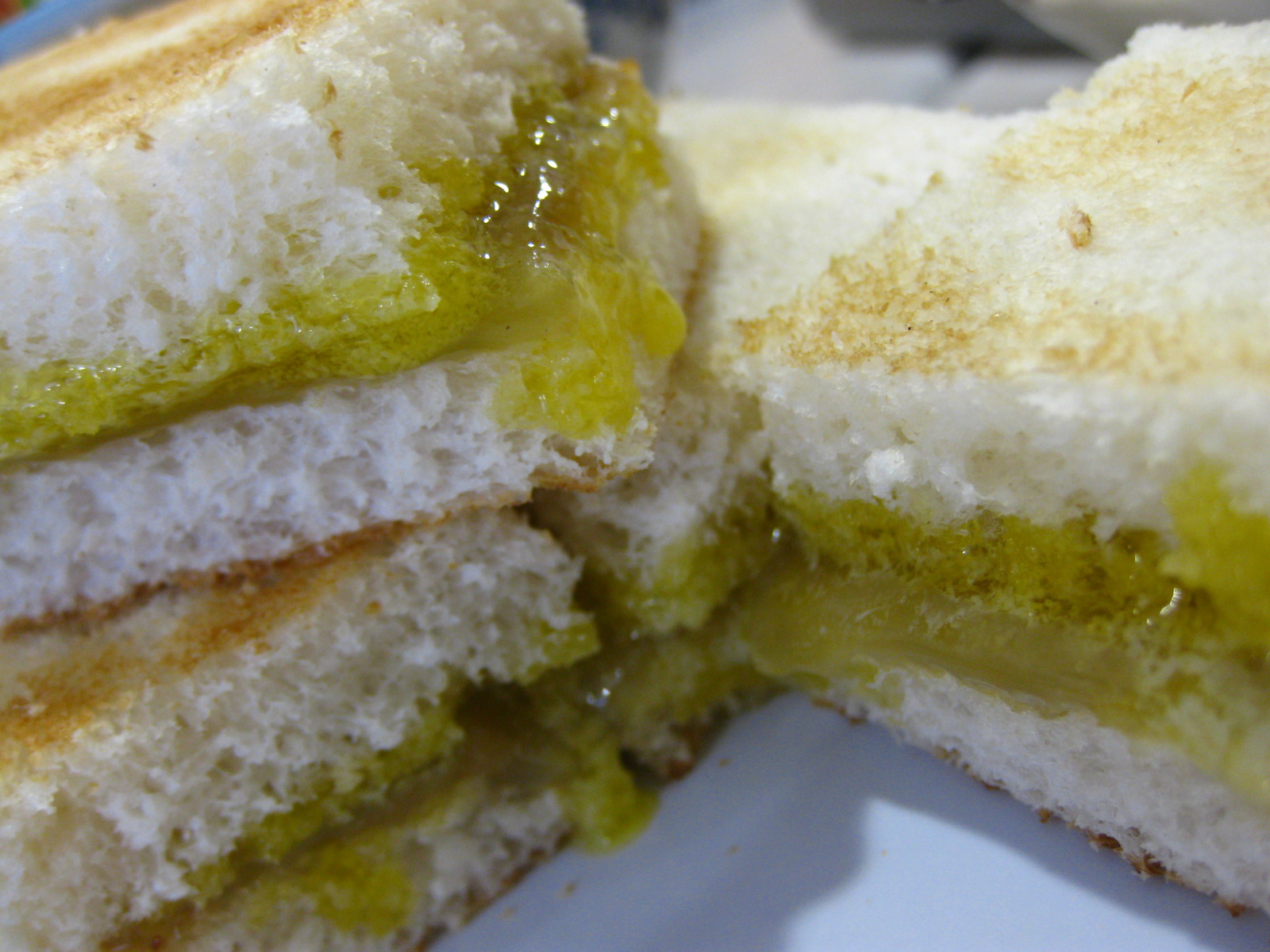
As mentioned before, I am still suffering from a bout of gastritis. If I had been at full cast-iron stomach power, I would have ordered their Nasi Lemak at the drop of a hat. Nasi lemak is coconut rice that is served with a variety of meats or seafood in curries or chili sauces. But as my tummy was tender, I steered away from the rich rice n spicy sauces and ordered a Roti Bakar, two half-boiled eggs and a soya cincau. Roti bakar, also known as kaya toast, is an egg custard jam and butter or margarine sandwiched between thick-cut slices of toasted bread. I love toast. When done properly, this simple staple can be a magical thing. Crisp and warm, light and fluffy; the roti bakar at Uncle Lim’s always makes me happy.  The toast came with the typical breakfast accompaniment of two half-boiled eggs. Just with a sprinkling of pepper and a splash of soy sauce, the runny golden yolks and slippery whites go down a treat.


Then I was stupid; in place of a nasi lemak I decided to try their Kari Mee. The yellow noodles in a curry broth for some illogical reason seemed less offensive to my stomach. Of course I was wrong. The soup definitely had a hot spicy kick but seemed to wane a bit when it came to the rest of the flavour. In all honesty, it felt a bit weak and watery with little strength to stand up to the bold flavour and texture of the yellow noodles lurking beneath the surface. However, the fishballs, fried tofu and crispy wantons that decorated the top were quite tasty and helped to redeem the dish a little. Due to the Scoville rating of the soup, I nibbled on the noodles and half the topping before passing the torch on to my dear father, who inexplicably transforms into a bottomless pit every time we come to Malaysia, Singapore or Hong Kong or anywhere else where he can find food he likes that we can’t get back home.


My drink of choice was not surprisingly a soya cincau (‘chin-chow’). In recent years I have found it difficult to resist such promise of light refreshment with a soft gently milkiness, a delicate yet hearty drink and dessert all rolled in to one. I know it is only slivers of grass jelly in soy milk, but I adore the combination. Bubble tea can go suck an egg. Speaking of sucking eggs, I did take a straw and poked into the yolk of my second egg and proceeded to drink it from the inside out; a novel experience which was quite pleasant until I tapped into a small reservoir of pure soy sauce towards the end of my egg drinking escapade. Should anyone else try this, I recommend stirring your eggs and sauce first and make sure your eggs are soft enough for the size of your straw. Size can matter. 


Wednesday, 6 July 2011

A Small Sum of Asam

This food stop was at Cafe Mark in One Utama. If I hadn't been taken there by regular diners I might not have noticed the inconspicuous establishment. The modest entrance and decor reflect the simple local style of food served. But don't let the quaint quietude put you off, this cafe is famous for a fragrant fiery feast of Asam Laksa.


Asam is a soup based on the tangy tamarind. It is sour and spicy and packed with fresh fragrant herbs and vegetables for an extra zesty boost. What's great about this style of laksa is that it satisfies your cravings for chili and curry-esque spices without the added richness of coconut milk. The tang of tamarind, menthol of mint and heat of chili all work together in one refreshing noodle bowl. Mark's is also surprisingly generous with the fish meat which soaks up the bold broth.


Keeping with the asam theme, we ordered a plate of Asam Sting Ray. Yes, sting ray. I love sting ray. The flesh is the most moist, delicate, white fish meat you will ever eat. Having a single smooth plane of conjoined cartilage instead of finicky invisible needles is also a plus when diving into a bite of ray. Here they are prepared in an asam sauce and served with okra or ladies fingers to the locals. They also give you a plate of rice and mixed vegetables for an afoordable set lunch price.


Shovelling all the spicy acidic sauces down my throat, I definitely needed a hydrating cooler to quench the would-be stomach ulcer burning its way through my digestive track. Cincau to the rescue! If I am ever hot, thirsty or need a gastronomic fire extinguisher, this cooling grass jelly drink always rises to the challenge. Soothing, smooth and filled with silky strands of jelly. I want one. Now.

Tuesday, 5 July 2011

Sweet and Savoury Singaporean Sensations

On one our trips around the many malls of KL, we stopped for a quick bite at Oriental Cravings. IT's a small cafe in a department store, wedged between clothing and handbag stores. Simple local style food here is served up with a little extra cost for the cool clean air-conditioned atmosphere. Wasn't too hungry at the time but I could not resist having a savoury bite. Glancing through the menu, my usual choices of hot curries and assam based dishes seemed a tad too daunting. So Singapore fried noodles were a welcome option for a light flavourful tea time meal.


Singapore fried noodles is a dish of mee hoon (fine rice noodles or rice vermicelli) and assorted vegetables and proteins. Bean sprouts, onions, bell peppers, spring onions and shallots are common choices for plant portion while prawns, pork, chicken and egg are frequently present as the protein. The noodles are fried dry (meaning without a soup or liquidy gravy) and seasoned to be sweet and salty with a hint of heat. Don't be deterred by the term, dry, as the noodles are anything but. Bold flavours are carried by the soft fluffy strands of noodles making every bite a scrumptious explosion. It's fun and filling enough as a main dish without being heavy. Very satisfying working your way through the plethora of ingredients and textures. It's a really popular item in oriental menus abroad, like Chinatown in London. Cheap too.

Monday, 4 July 2011

Sassy Shelf Selections of Sarsaparilla

A&W Root Beer has been my favourite commercial root beer brand as long as I can remember, probably due to the association with vanilla ice cream floats in big frosty glasses. Damn you Pavlov. There's something special about drinking a beverage from a tinted glass bottle. Nostalgic, if you will. A bridge back to the days before mass-produced aluminium cans and plastic bottles. There's a sense of history every time you wrap your fingers around the cool weight of a glistening glass vessel. This was the first factor that attracted me to this sturdy bottle of root beer. I had never tasted Angus O'Neil's brew before. It was nice. It has a pleasant mellow flavour, less sweet than most commercial brews. You can really taste the subtleties of the various ingredients like ginger and liquorice. Those who are very sensitive to herbal flavours like these should probably avoid this one. For everyone else, it is a very nice alternative to regular root beer. Like any good brew, it goes great with a salty snack. Root beer from Down Under :)

Thursday, 30 June 2011

The Grass is Greener at Green View

Malaysia has no shortage of casual family style Chinese restaurants. Round tables are supersized with the addition of giant plywood discs with a lazy susan groaning under the weight of over-ordered meals. Green View’s bright neon sign proudly displays a massive crab in some sort of two-step animation. Honestly, I could not work out what it was supposed to be doing. All I saw was one whole crab with both claws up in the air, followed by a crab slightly to the right with his left claw missing. There was also a king prawn in the corner wearing a little crown. Appropriate. Besides the quaint signage, the restaurant staff are inviting and the air-conditioned room is clean and comfortable. Aside from the sporadic pops of flies exploding on one of the many UV bug zappers mounted from the ceiling, that is. Fly 1: “Don’t go towards the light!!” Fly 2: “I can’t help it, it’s so beautifu-ARGH!”.


The main reason we come back to this restaurant, is the Prawn Noodles. Served up in a massive white dish, these once crispy deep fried egg noodles have been drenched in a gooey prawn-infused gravy and are crowned with some seriously sized shrimpage.


As impressive as the size of these crustaceans are, I find the flesh, despite being well cooked, ever so slightly tough and far too hefty in size for an already rich shellfish. You really have to wrestle with the meat to cut it down to bite sized portions.


The noodles and gravy are another story. Deep frying the egg noodles prior to saucing them makes them much more absorbent and they just suck up and saturate themselves in the flavourful brown gravy. The shellfish have passed on their legacy and that scrumptious seafood flavour is abundant in the saucy noodles even without eating the prawn meat.


We don’t usually order fish done sweet and sour style in Asia, unless it’s a whole one and we aren’t sure how long it has been dead. So having this dish of sweet and sour garoupa was a bit different, though not unwelcome. It’s on my favourites list when dining in Chinese restaurants in Western countries.


The fish pieces are big enough to give you a full bite of white succulent fish meat and not just greasy batter. The sauce was quite typical of any sweet and sour you could find anywhere in the world; jazzed up ketchup. And the typical vegetables (onions, mixed peppers, pineapple, tomato and …cucumber?) were fine in their own right, not over cooked, but they seemed a bit disparate. Overall the dish was quite pleasant. Who can resist the ease of popping solid bite sized pieces of boneless white fish into their greedy mouths?


If you want a full sensory experience, you should order any dish that comes in a clay pot. From the streets of Hong Kong to the alleyways of Bangkok’s Yaowarad (Chinatown) clay pot dishes know how to make an entrance. They have great heat retention which allows any treasures retained within to remain bubbling and sizzling once they are placed on the table. Miniature eruptions of billowing steam and scalding sputters of sauce are all part of the clay pot experience.


This clay pot was filled with braised goat meat, tofu skin and wood ear mushroom. The earthy colours were reflected in the flavours of the dish. The bold aroma of the goat was perfectly complimented by the strong salty hum of the dark sauce. The tofu skin and wood ear mushroom had the textural strength to stand up against the hearty flavours but also provided refuge with milder and lighter flavours. The meat is so juicy and tender it falls off the bone. There is so much warmth in flavour and texture in this dish, you can’t help but love it even if you are not used to eating meats more on the game side.


This one is for all the vegetarians out there. Two types of tofu and loofa brought together by a simple but tasty gravy. It adds a lighter and healthier feeling dynamic to a widely techniflavoured table of Chinese dishes. Textures are abundant in this one. The larger brown structures are wiggly oblongs of egg tofu. Imagine a delicate savoury egg custard encased in golden fried skin. I adore the gentle eggy taste and the soft melt-away texture of egg tofu. Breaking through that once crisp membrane and releasing the soft contents over your palette is as satisfying as it is delicious. The other tofu variety present is one consisting of layered tofu skins. The multiple layers stimulate your tongue and tickle your gums as your teeth ease through them. Tofu skins have a more elastic quality than solid tofu and one might think that compacting so many sheets in these blocks would result in an impenetrable Kevlar mass. It does not. The layers have sucked up the flavours and moisture of the dish into every pore and the body is soft without losing the integrity of each soy leaf.


The third component is the vegetable that most think of as a bathroom utensil rather than a kitchen ingredient. The loofa is a common green vegetable used in Chinese cuisine that often falls under the radar in other parts of the culinary world. It’s like a cross between a cucumber and a zucchini in fibre and flavour. Even when cooked, the loofa has the refreshing characteristics of the cool cucumber with the soft bite of a zucchini or cooked apple. This triad is brought together by a translucent brown gravy which is smooth, silky and savoury scented so as to compliment the calm fragrances emanating from the major ingredients.  Loofa! Fun to say, great to eat and if they get too old, dry them out and use them in the shower.

Wednesday, 29 June 2011

The Taste of an Asian Ocean Dream

If I were on my death bed and I had to choose one meal to have before pushing up daisies, I would choose prawn mee. Yes, we are back on the humble hawker street. But hawker or not, you cannot deny the perplexing gamut of flavours that are presented to you in a plastic bowl. The sultry smokey depths of toasted crustacean essence and crispy shallots mingle with the sweet playful juices of prawn and chili. The broth is what elevates this dish to heavenly heights. Despite having so many facets of flavour, the soup remains light and refreshing. This is why I prefer having it with mee hoon (thin rice noodles) rather than mee (thick yellow noodles) or even a mixture of the two. I find the flavour to the mee to be overpowering when put up against the delicacy of the delicious broth. I savour my food and pairing it with the mild and absorbent mee hoon creates a wonderous eating experience. I've ordered prawn mee in restaurant environments before and it never matches the levels of palette stimulation as the kopitiam across the street.

Tuesday, 28 June 2011

Row row row your roti

Might be back in Thailand but the sheer amount fooding that happened in Malaysia has resulted in a bit of blogging indigestion. So we will be slowly clearing this backlog before getting back on track with more current culinary conquests. Just a quickie today, which is reflective of this simple but spectacular dish. Roti Canai (Cha-nai), the versatile fried flat bread from India. Costing only 1 Ringgit and 20 cents each, it's the ultimate value meal with the complimentary bowlful of dahl. The bread has a chewy pull on the inside and a buttery crisp exterior from being fried in ghee. It transforms its textural properties after soaking in a liberal bath of dahl. The dahl has the soft grain of pulverised pulses and the complex piquant of curry without the heaviness of coconut milk. Roti can be used for so many things as the gentle flavours act as a great vehicle for both sweet and savoury seasonings. Curry and condensed milk are my favourites. Separately, that is.

Monday, 27 June 2011

C is for Cookies, cute and crunchy

Like so many other tempting treats, like waffles and cakes, I much prefer the idea of them over actually eating them. Them being cookies in this case. If I do have the urge to munch on these sweet confections, my preference is for chewy ones. There's something comforting about that gentle give when you first bite into a moist chewy cookie, as if it were welcoming you to the sweet goodness packed within it's golden exterior. Drier crunchy cookies can feel like a violent bombardment of ceramic shards on your squishy oral anatomy. Quarrying your way through a discus of bedrock, snapping teeth left and right and tearing your pink fleshy gums to shreds. Unless of course they are tiny.


That smell. That warm orange glow. The instant they waft over my senses I am transported back to my childhood. Toddling along in malls, walking past the Famous Amos cookie stall covered in candy and piles of adorable cookies. I was loitering outside a video store and could not help but stare at the Famous Amos opposite the entrance. That smell. The warmth of the ovens drawing in all who passed by like a gravitational pull. I can resist all but temptation. Challenge accepted. I snuck over and quickly ordered 100 grams of cinnamon raisin oatmeal - my favourite cookie flavour (the bag is a lie!).


Crunchy cookies have to have the right type of crunch. Oreos have the grainy crumble, gingersnaps have the sharp snap and Famous Amos cookies have that delicate crisp crunch of caramelised flour. Their small size replicate the tiny toasted scraps of cookie dough that fail to adhere to a larger mass. Not too sweet, the wholesome wheat tones of the main body are accented by the intense punctuation of roasted raisins. Too easy to eat and so cute stare at. Here's one shaped like a fish!

Saturday, 25 June 2011

It don't matter if you're black and white

We went to another Uncle Lim's today, this time at Ikea, for a quick fueling up before the epic quest through the treacherous throngs of weekend shoppers in search of shiny new furniture. I was mildly terrified by the sheer quantity of people that were packed into the store; wedged between compact furniture, huddled around a ridiculously cheap fish and chips from the Ikea-subsidised cafes and being swept into the perpetual current of people funnelling down the main path deeper into the depths of the Swedish showroom. Would have loved to have gotten my greedy flippers on a curry puff and soft serve ice cream but the queues seemed to dissolve into a solid sardine can/warehouse of people. So I was happy I had my dose of Soya Cincau before walking through the gates of More-doors-and-cupboards-and-furniture-and-crap-I-don't-really-need-for-my-house.


Soya Cincau (chin-chow) is soy milk with grass jelly. Affectionately known as a Michael Jackson in some establishments, this drinkable dessert is the answer when you cannot decide between the mellow creaminess of cold soy milk and the refreshing herbal slivers of grass jelly. I find that a straight soy milk can sometimes be too rich as an accompaniment to a full meal. Soya Cincau is the yin and yang of the cold kopitiam (coffee shop serving food) drink list. A balanced compromise in a tumultuous world of furniture-crazed weekend shoppers.

Friday, 24 June 2011

Mistifying Midnight Mee

I don't remember much about living in Malaysia. Our annual visits never forged a patriotic pride within me. Nor did I have a driving desire to go shopping or do anything else in particular. So why would we subject ourselves to the constant threat of snatch thieves and muggers (2 muggings occurred outside our house in the last 3 days and every single member of our extended family -I do not come from a small family- has been held up, robbed or been the target of snatch thieves or pickpockets), the 100% humidity and heat that will grill you in the open and poach you in your own sweat in the shade? Aside from visiting family, it's food. Not fancy restaurants or home-cooked meals. We want what you can only find here, what you can't replicate in your own kitchen or in a gourmet bistro. Hawker food. There's something truly tantalizing about what hawkers do with their wares. Each stall specialising in a particular dish (or small selection of related dishes), it's always awe-inspiring to witness the speed and dexterity with which they whip up their wares and, in some cases, package them. Tapow, or take away/take out, becomes an art form in the hands of these makanan-maestros. Let us examine the following case study: one late night tapow order of Hokkien Mee.


The ingeniously engineered packaging in this case consists of only two materials: one sheet of newspaper and one of plastic. As you can see, the result is a neat and compact parcel that requires no additional structures to close or fasten it shut. The paper acts as both an insulator and a stabilising layer allowing corners to be tucked away beneath each other. Practical applications of origami indeed.


Beneath this printed paper epidermis lies the protective waterproof plastic sheet. This sheet securely contains the food and its fluids in a tidy and hygienic (you can't read the paper off your fish and chips here) bubble. Preventing leaks is essential to maintaining the structural integrity of the outer layer and preserving the precious contents within.


You think that the magic ends there, but No! There is more! When you sit at any coffee shop (referring to an open-air hub of hawker stalls and tables, not a Starbucks) and order noodles or rice or whatever, you will always get some form of condiment in a little plastic dish that also acts as a stand for spoons and chopsticks. But what about the tapow version? Would they not require a second little plastic packet to contain the sauce separately from the main feature? NO! Upon unfolding your expertly crafted plastic package you will find the cunningly concealed chili sauce completely contained in its own little corner of the sheet! Simply flip open that final corner and you have your Hokkien Mee meal complete with chili sambal on the side.


That smoky background hum, indicative of Hokkien Mee, can only be forged in the fires of a hawker stall. Sure the black sauce can give you that dark savoury note, the pork fat can add that meaty edge and the prawns can give you the sweet highlights to the soft and slippery noodles (mee and mee hoon in this case). But to create the full symphony of real Hokkien Mee flavour, you need that extra even char from a flaming hot wok and the nimble hands of an expert to toss the noodles and ingredients into a silky harmonious entity. Having it late at night just compliments the darkness and mystery emanating from this sensual dish.

Thursday, 23 June 2011

Cotton Candy and Lemons, say the bells of St. Clements

Baskin Robbins has long been one of my favourite ice cream brands. I have a habit of looking for a branch wherever I am in the world just to see what local flavours they produce in the region. My ultimate favourite flavour is Popping Shower from Japan which, unfortunately, I have been unable to locate anywhere else... yet (TT_TT). Aside from that, my standard order is Cotton Candy. Similar in both taste and appearance to the Rainbow Paddlepop, the ice cream consisting of pink and purple swirls is essentially toffee flavoured.


We were waiting for a movie (The Infidels, well worth a watch) and got bored of wandering around Sunway Pyramid so we sat down at the Baskin Robbins just beneath the cinema for a few scoops. I, naturally, ordered my standard Cotton Candy. But who can narrow down their choice to one flavour with all the psychedelic confections staring longingly up at your fat face, begging you to choose them as they slowly crystallise into solid rock? Bump your scoop size down to junior, order a double and you've solved your problem without spending or overindulging on too much ice cream! y second choice this time was Citrus Twist Ice. For a lover of all things lemon, it seemed odd to me that I rarely order it. Light and refreshing and everything a basic lemon and lime sorbet sets out to be. Well chuffed! <3

Wednesday, 22 June 2011

Say satay, okay?

A certain person in my life pronounces the word, Satay, in a very “Americanised” manner; s’TAY. That tendency of his to place emphasis on the second syllable of all foreign words really rubs me the wrong way. I understand that when one encounters a word that is new and strange to their existing vocabulary, it is impossible to expect one to produce the same pronunciation as another who knows the language. But it’s always the second syllable. Sakura = suh-KU-ra. Naruto = nuh-RU-to. Wasabi = wuh-SA-bi. Pattaya = Pa-TAI-yah. Satay = suh-TAY. Just say SAH-tay, okay?


Okay, back to the food porn. Satay are meat skewers, traditionally composed of two pieces of meat and one of fat (the name means “three pieces”) which have been marinated and grilled over a charcoal stove. Size, shape and flavour can differ according to the person making it but turmeric is a constant; if the meat hasn’t been stained yellow it’s just meat on a stick, not satay. These skewers are served with a sweet and spicy peanut sauce for dipping as well as chopped cucumber and pressed rice cakes called ketupat.


These orders of chicken and beef satay were made whilst waiting for our food to come at Lala Chong’s. In the wise words of Eric Cartman, “It’s what you eat before you eat, to make you more hungry”. The satay lady is always at her little stall in the parking lot of the restaurant, diligently asking every new table that arrives if they would like any of her meaty wares. We accepted her offer and soon snatched away at the tasty looking sticks.


It may have been the pre-dinner anticipation and mildly voracious appetite that tinted the experience, but the satay was absolutely jam-packed with sweet and savoury goodness. I often drown the skewers in the thick peanut sauce because the meat can sometimes dry out on the open charcoal grills, but the meat on these sticks was still plump and juicy. The marinade wad delicious and penetrated the meats all the way down to the bamboo skewers. The chicken was very tender and the beef was also good despite requiring a little more effort to pull it off the stick. Satay is classic South-East Asian street food that makes a ridiculously satisfying snack wherever, whenever.

Lulu, Leelee, Lala Chong


Lala Chong is a casual family style Chinese restaurant in Kuala Lumpur famous for their Lala, also known as clams. Their signature dish is a pile of steaming clams swimming in a platter of Chinese wine broth.  The little morsels are tender but retain that satisfying chewy bite. Delicious, yes, but outshined by the magical elixir that dwells beneath their oval shells. The generous lake of perfectly balanced broth provides the ideal environment to gently enhance the delicate flavours of the clam meat without overpowering them. Drinking the liquid straight provides a whole other delectable sensory experience.


The thin broth is light and smooth, a stark contrast to the bite of the clam. The levels of flavour spread across your palette like a scrumptious seafood zephyr. Infused with the briny fragrance of the clams, the Chinese wine creates a strong platform to support and unify the garlic and chilli which often take the lead whenever they partake in a dish.  You will want a second order, but be warned, the richness of the broth is quite latent and will likely rear its head by the time the second platter reaches the table.


Another dish featuring their namesake Lala is the fried mee hoon. At first glance this noodle dish appears quite ordinary. You’ll find similar looking creations on the streets of Bangkok and in the tightly packed restaurants lining the cobblestone streets of Chinatown in London. You will have to looks closer to see what really makes this unique (not figuratively speaking, if your eyes aren’t great then you probably have to shove your face in and nose your way around some noodles. Please do this at your own risk of complete and utter public etiquette-suicide). Whatever your method of investigation, be it a la Ace Ventura or come CSI, you will realise that the pile of noodles is dotted with dozens of little –really little- tiny baby clams only a few millimetres in size.


Adorable when viewed individually, mildly terrifying when you look at the greater picture and see your noodle platter speckled with yellow and black spots (if you too have a mild fear of swarms or tadpoles or black spots in general. Argh me hearties, ye pirates be warned). But seriously, a good quality fried mee hoon with plenty of toppings and too many miniature clams to count.


I love a fresh steamed fish. Something about the clean light flavours that echo the gently soft texture of the flesh that is to die for. In this case we had a sea bass cleft in twain and steamed in a savoury ginger puree. The prospect of dousing a white fish in copious amounts of pungent ginger may alarm some people. But the culinary alchemy that occurs results in a soft and juicy white fish that works hand in hand with the fragrant warm hum of the ginger sauce. It reminded me a lot of the ginger and sesame dipping sauce that accompanies steamed chicken. Simplicity can do wonders.


This saucy selection is a delicious double whammy. Much like the Lala and its wine broth, these crabs are paired with an equally (or more) coveted sweet and sour gravy. The crabs themselves have been cooked through just enough to firm up their silky meat whilst retaining the precious juices within. When done right, crabs are worth their weight in gold. Just as bikini wrestling is jazzed up by the addition of a jello pool or the humble apple pie is elevated to couture titling with the addition of a scoop of vanilla ice cream, these crabs have been sauced with sweet and sour steroids.


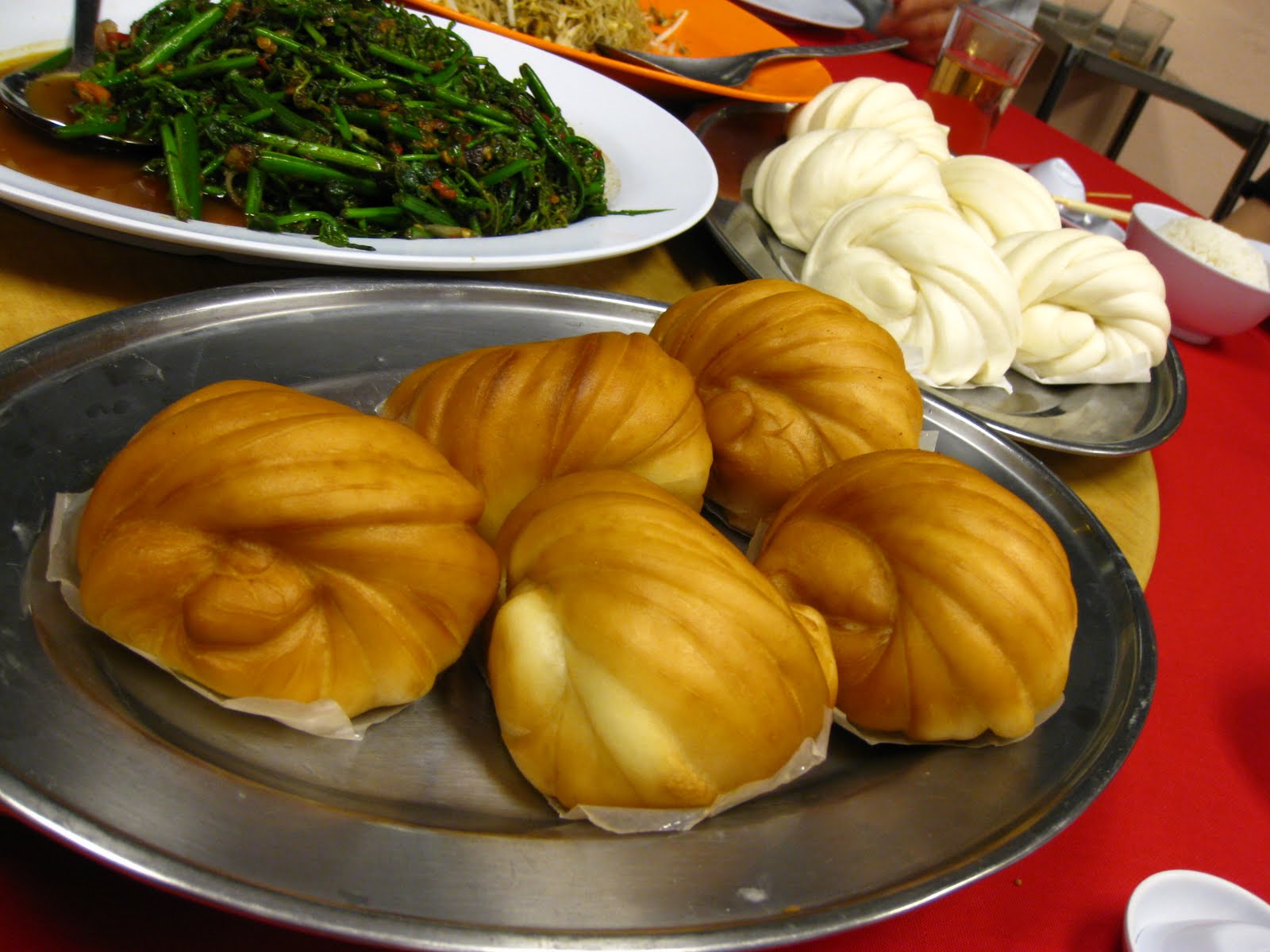
 The bright orange gravy is as vivid in taste as it is in colour. The strength of the sweet, sour and spicy flavours and the smooth viscosity make the sauce ideal for being sucked up and tamed by the adorably fluffy mantou (Chinese buns) that accompany the dish.


The steamed variety is the mantou in its natural pure white form: a clean fluffy bread cloud that acts as a great vehicle for wilder flavours. Its brown counterpart started life the same as the steamed bun but received its golden coat from a quick fry in oil to crisp its exterior giving it an indulgent flavour and additional crunch in the mantou experience.